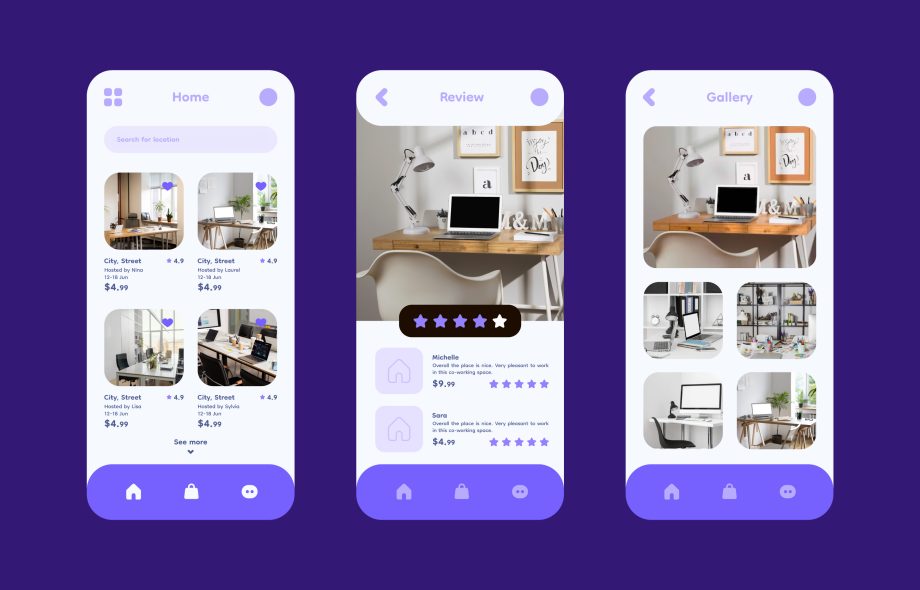
The short-term rental economy has transformed how people travel, relocate, and monetize unused properties. Travelers today expect flexible stays, transparent pricing, verified listings, and secure digital payments—regardless of location. At the same time, property owners want simple tools to list spaces, manage bookings, and earn income across borders.
This growing demand has made airbnb clone development a strategic opportunity for entrepreneurs aiming to build scalable rental platforms. However, creating a solution that works in one city is very different from building a platform that performs reliably across multiple countries, currencies, languages, and regulatory environments. Scalability, compliance, and performance must be embedded into the foundation of the app from day one.
Defining the Core Scope of an Airbnb Clone App
Before development begins, it is critical to define the scope of your airbnb clone clearly. A globally scalable rental platform must support diverse property types such as apartments, villas, shared rooms, vacation homes, and long-term stays. The app should serve three primary user roles: guests, hosts, and administrators.
Guests need an intuitive way to search properties, compare prices, read reviews, and complete bookings securely. Hosts require tools for listing management, availability control, pricing updates, and earnings tracking. Administrators need visibility into platform operations, disputes, payments, and compliance requirements.
By defining these roles early, you avoid feature creep and ensure your platform evolves in a structured and scalable way.
Market Research and Regional Customization Strategy
A common mistake in airbnb clone development is assuming that one solution fits all markets. Rental behavior varies widely between regions. For example, users in Europe may prioritize cancellation flexibility, while users in Southeast Asia may focus on affordability and mobile-first experiences.
Market research should include local rental trends, average booking durations, preferred payment methods, tax rules, and cultural expectations. This data helps shape feature prioritization and ensures that your platform feels native in every market it serves.
Localization should go beyond language translation. It must include local currencies, date formats, address structures, legal disclaimers, and even region-specific UI preferences.
Essential Features That Enable Global Scalability
A scalable rental platform is built on features that can adapt to growing user demand and geographic expansion. Property search must support advanced filters such as location radius, amenities, property type, price range, and availability dates. High-performance search indexing is essential as listings grow into the thousands or millions.
User profiles should include identity verification, ratings, and booking history. Trust is the backbone of any rental marketplace, and features like verified IDs, host badges, and transparent reviews help establish credibility.
A dynamic booking system must manage real-time availability, instant booking options, and flexible cancellation policies. This system should automatically adjust inventory to prevent double bookings across time zones.
Designing a Robust Booking and Calendar Management System
The booking engine is the heart of an airbnb clone app. It must handle concurrent bookings, time zone differences, and seasonal demand spikes without performance degradation. Real-time synchronization between host calendars and guest bookings is essential.
For global scalability, the calendar system should support integration with third-party platforms so hosts can manage availability across multiple rental channels. Automated notifications for booking confirmations, cancellations, and reminders reduce manual effort and improve user experience.
A well-designed booking flow also includes clear pricing breakdowns, service fees, taxes, and refund policies to avoid disputes and increase transparency.
Payment Infrastructure for Multi-Currency and Global Transactions
Payments are one of the most complex aspects of airbnb clone app development. A global platform must support multiple currencies, regional payment gateways, and secure fund transfers between guests and hosts.
The system should handle escrow-based payments where funds are held until check-in is completed. This protects both parties and builds trust. Automated payouts to hosts must account for currency conversion, transaction fees, and local banking regulations.
Compliance with global payment standards such as PCI DSS and regional regulations is non-negotiable. A scalable payment architecture ensures smooth transactions as your platform expands into new markets.
Building a Scalable Technology Architecture
Scalability depends heavily on your technology stack and infrastructure choices. Cloud-based hosting enables your platform to handle traffic spikes during peak seasons without downtime. Microservices architecture allows individual components such as search, payments, and messaging to scale independently.
APIs play a key role in connecting mobile apps, web platforms, third-party integrations, and analytics tools. A modular architecture ensures that new features or regional customizations can be added without disrupting existing functionality.
Database design should prioritize performance, data consistency, and redundancy. As your user base grows, efficient data indexing and caching mechanisms become essential for maintaining speed.
Security, Data Privacy, and Trust Management
Global rental platforms handle sensitive user data, including identity documents, payment information, and location details. Strong encryption, secure authentication, and regular security audits are essential to protect this data.
Compliance with international data privacy laws such as GDPR and regional regulations ensures legal stability and user trust. Role-based access controls prevent unauthorized data exposure, while activity logs help monitor suspicious behavior.
Trust-building features such as in-app messaging, dispute resolution workflows, and customer support channels further strengthen platform reliability.
Admin Panel and Platform Management Tools
The admin dashboard is critical for managing a global airbnb clone efficiently. It should provide insights into bookings, revenue, user activity, and platform performance across regions.
Admins must be able to approve or reject listings, manage user accounts, handle disputes, and configure commission structures. Advanced analytics help identify high-performing markets, seasonal trends, and user behavior patterns.
A scalable admin system allows your operations team to manage growth without increasing overhead disproportionately.
Monetization Models for Long-Term Growth
A sustainable airbnb clone development strategy includes clear monetization plans. Commission-based revenue from bookings is the most common model, but it can be supplemented with premium listings, featured properties, and subscription plans for professional hosts.
Dynamic pricing tools and value-added services such as insurance, cleaning partnerships, or concierge services create additional revenue streams. The key is to balance monetization with user experience so that growth does not come at the cost of trust.
Testing, Launch, and Continuous Optimization
Before global launch, extensive testing is essential. Functional testing ensures features work as intended, while load testing evaluates performance under high traffic. Localization testing verifies that regional settings function correctly across markets.
Post-launch, continuous monitoring and optimization are necessary. User feedback, analytics data, and market trends should guide iterative improvements. A scalable platform is never static; it evolves with user expectations and market demands.
Conclusion
Building a globally scalable rental platform requires more than replicating features of an existing marketplace. Successful airbnb clone app development combines strong architecture, localized user experience, secure payments, and trust-driven design. By focusing on scalability, compliance, and long-term growth from the start, businesses can create a rental platform that performs reliably across regions and adapts to changing market dynamics. A well-executed airbnb clone is not just a booking app—it is a global ecosystem connecting travelers and hosts worldwide.
Frequently Asked Questions
How long does it take to build a scalable Airbnb clone app?
The development timeline depends on feature complexity, customization requirements, and integration needs. A basic version may take several months, while a fully scalable global platform typically requires a longer development and testing phase.
What makes global scalability challenging in Airbnb clone development?
Challenges include handling multiple currencies, languages, payment gateways, legal regulations, and high user traffic across regions. Scalable architecture and localization strategies are essential to address these challenges.
Can an Airbnb clone support both short-term and long-term rentals?
Yes, a well-designed airbnb clone can support flexible booking durations, allowing hosts to offer both short-term stays and long-term rentals within the same platform.
How do rental platforms ensure trust between hosts and guests?
Trust is built through verified profiles, secure payments, transparent reviews, identity verification, and reliable dispute resolution systems.
Is customization possible after launching the Airbnb clone app?
Yes, modular architecture allows continuous enhancements, feature additions, and regional customization without disrupting the core platform.
 :
https://www.pinterest.com/jessyrayder/
:
https://www.pinterest.com/jessyrayder/