Introduction
The Craft Soda Market embodies a dynamic and rapidly evolving segment of the global non-alcoholic beverage industry, defined by artisanal formulations, unique flavor profiles, and premium quality ingredients. Craft sodas appeal to consumers seeking alternatives to mass-produced soft drinks, with an emphasis on natural sweeteners, botanical infusions, and locally inspired recipes. Rising health awareness, interest in specialty beverages, and a growing culture of culinary exploration are driving craft soda toward mainstream acceptance in retail, hospitality, and direct-to-consumer channels.
Market Size and Growth Projections
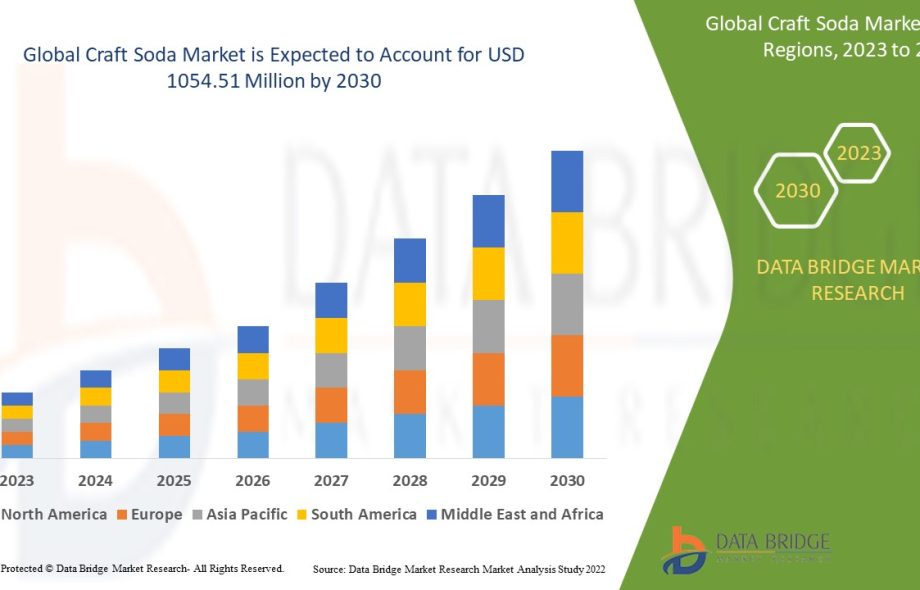
The craft soda market is experiencing robust growth, supported by increasing consumer interest in premium non-alcoholic beverages and diversification of flavor experiences. The market is projected to grow at a healthy compound annual growth rate (CAGR) over the forecast period as innovation accelerates and distribution expands beyond niche channels into mainstream retail. Growth is further bolstered by the rising popularity of zero-sugar and functional soda variants that align with health and wellness trends.
Get More Details : https://www.databridgemarketresearch.com/reports/global-craft-soda-market
Key Growth Factors
-
Rising demand for premium, natural, and artisanal beverages
-
Growing preference for health-oriented soda alternatives
-
Expansion of retail, specialty, and e-commerce channels
-
Increased consumer interest in unique and global flavors
-
Innovation in functional and zero-sugar craft sodas
Market Segmentation
By Type / Service / Product
The craft soda market is segmented into classic flavors, fruit-infused variants, herbal and botanical blends, diet/zero-sugar craft sodas, and functional sodas (with vitamins, adaptogens, probiotics). Fruit-infused and herbal blends are gaining prominence due to elevated flavor complexity and perceived natural qualities.
By Application
Based on application, the market includes retail consumption, on-trade (restaurants, cafes, bars), and events & hospitality. Retail consumption commands a significant share as consumers increasingly purchase craft sodas for at-home enjoyment and social gatherings.
By End User
End users comprise generation Z and millennials, health-conscious adults, premium beverage enthusiasts, and foodservice operators. Health-conscious adults represent a leading segment, drawn to craft sodas that balance flavor with cleaner ingredient lists.
Regional Insights
North America leads the craft soda market with strong consumer experimentation, established artisanal beverage culture, and well-developed distribution across specialty retailers and natural grocery channels. Europe follows with growing interest in botanical sodas and local craft beverage movements. The Asia-Pacific region is an emerging market, driven by youth demographic growth, urbanization, and increasing disposable incomes. Latin America and Middle East & Africa show moderate adoption supported by rising retail modernization and demand for non-alcoholic beverage alternatives.
Key Market Drivers
A primary driver of the craft soda market is the consumer shift toward premium, authentic, and natural beverage choices. Craft sodas resonate with consumers seeking differentiation from conventional soft drinks, particularly as awareness of sugar reduction and ingredient transparency increases. Additionally, innovation in flavor creation and packaging design has elevated craft soda as a lifestyle beverage with strong brand appeal.
Market Challenges and Restraints
The craft soda market faces challenges including higher price points compared to mainstream sodas, limited shelf life for natural formulations, and distribution constraints in traditional retail channels. Competition from established soda brands with greater marketing budgets may impact visibility for smaller craft producers. Additionally, regulatory compliance related to labeling and health claims can add complexity for market entrants.
Competitive Landscape with Key Companies
-
Q Drinks
-
Boylan Bottling Co.
-
Fever-Tree Ltd. (Craft Soda Range)
-
Bruce Cost Ginger Ale Co.
-
Reed’s Inc.
-
Sprecher Brewing Co.
-
Zevia Craft Soda (Zevia LLC)
-
Jones Soda Co.
These companies emphasize ingredient quality, brand storytelling, unique flavor portfolios, and strategic retail partnerships to expand consumer reach and differentiate products in a competitive landscape.
Technological Innovations
Technological advancements in the craft soda market focus on small-batch carbonation systems, natural preservation techniques, and sugar reduction technologies such as stevia, monk fruit, or prebiotic sweeteners. Enhanced cold-chain logistics preserve product integrity during distribution. Digital and e-commerce platforms also support direct-to-consumer engagement, enabling targeted marketing and subscription-based delivery models.
SWOT Analysis
| Distinct flavor profiles and premium positioning | Higher retail prices compared to mainstream sodas |
| Alignment with health and wellness trends | Shorter shelf life for natural recipes |
| Strong brand differentiation | Distribution and scale limitations |
| Expansion through e-commerce and D2C channels | Competition from established beverage brands |
| Innovation in functional and low-calorie offerings | Raw material cost volatility |
| Growth in emerging markets | Regulatory and labeling requirements |
Future Market Outlook
The future outlook for the craft soda market is optimistic as consumer preferences continue to evolve toward quality, authenticity, and health consciousness. Expansion in digital retail channels and strategic collaborations with foodservice operators will unlock new avenues for market penetration. Investments in R&D to create functional craft sodas that offer added health benefits will further differentiate offerings and drive adoption among wellness-oriented consumers.
Conclusion
The Craft Soda Market is poised for sustained growth, driven by premiumization trends, innovation in flavor and functional formulation, and expanding consumer awareness of alternative beverage choices. As artisanal sodas gain traction across global markets, brands that blend distinctive taste experiences with transparent ingredient sourcing and strategic distribution models are positioned to thrive in a competitive beverage landscape.
 :
: